frieze // How Gabriele Stötzer Defied the Stasi
This piece appears in the columns section of frieze 260, ‘Portraiture’
In 1976, as Gabriele Stötzer tells it to Deutsche Welle (DW) in 2019, she was being pursued through Erfurt by a Stasi informant. Overtaken, she was given the message: ‘If you want, you can say that the West has fallen.’ This poison-pilled magnanimity was her last chance to save herself from what she and the secret police knew was coming. Because of her activism, the German Democratic Republic (GDR) was finally going to bear down with the explicit intent to break her. Stötzer knows this because she has her Stasi file.
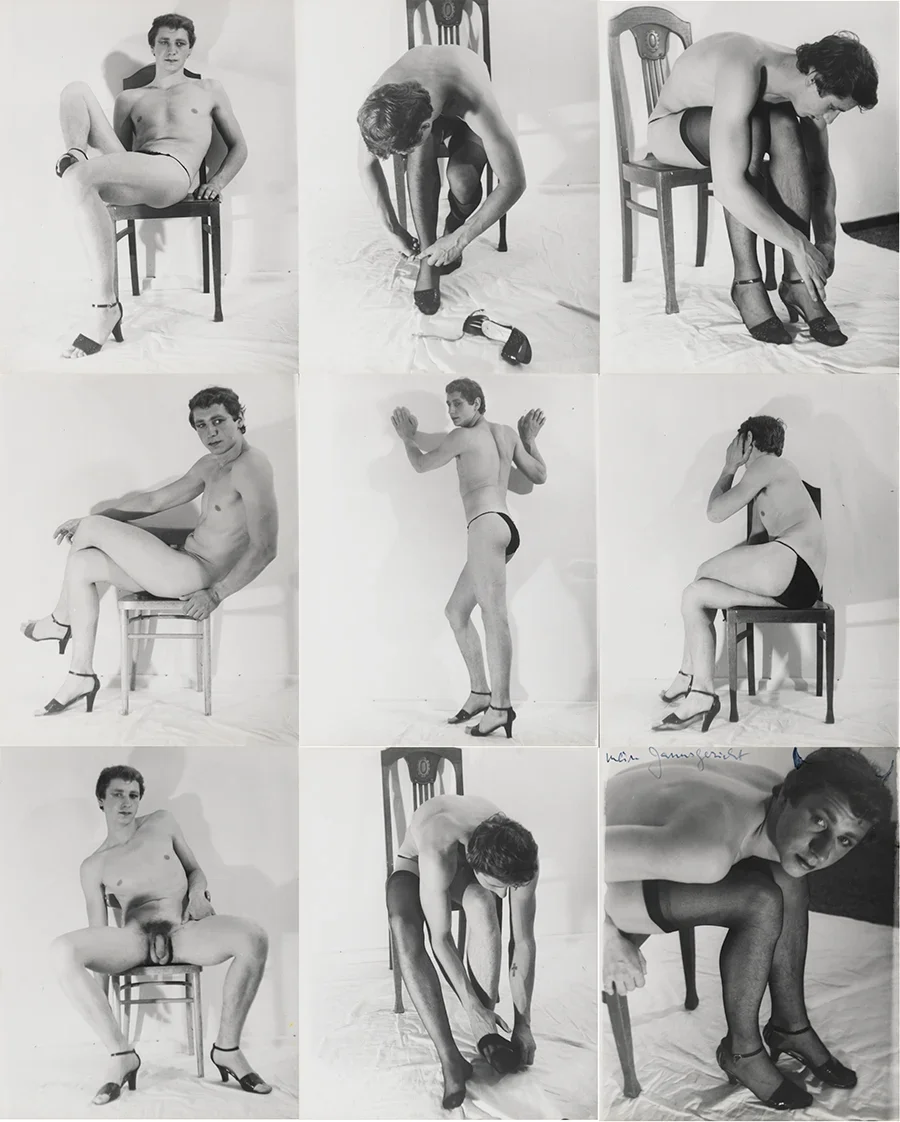
At first, Stötzer’s artistic output was more legible to the state than to any art establishment, the latter’s recognition coming only much later. (She was awarded Germany’s Order of Merit in 2013 before being included in documenta 14 in 2017 and landing her first major solo museum exhibition at Muzeum Susch, Switzerland, in 2025.) Born in 1953 in the GDR, Stötzer began her feminist practice in the late 1970s, after she was freed from political imprisonment at the age of 26. Her experiences of carceral subjectivity in the Hoheneck women’s labour prison led her to make work that foregrounded corporeality and the limits of the government’s attempts to control it. She described to DW, for example, how her male prison medical examiners mistook her lack of a period from malnourishment for pregnancy, making clear both how the state sought to assert authority over her body and how little it understood it. These realizations carry through Stötzer’s practice in her interrogation of the hypocrisies, fallacies and patriarchies that undergird hegemonic systems.